

Selwane Nature Reserve
Submitted by mahesh_admin on July 14, 2023

Goal

Selwane is proposing to build a conference centre to promote community-based tourism and increase visitor traffic The site is looking to add over 2000 ha in additional farmland, which would be used to develop a conservancy for rhinos and other game. The Reserve intends to purchase game stock to promote the wildlife safari and hunting business to potential clients/tourists. Introducing cattle ranching is a strategic priority for the site.

Investment Range / ROI

R20 Million - R50 Million
ROI - 15% pa

Public or Private Sector

This is a Private Sector Opportunity

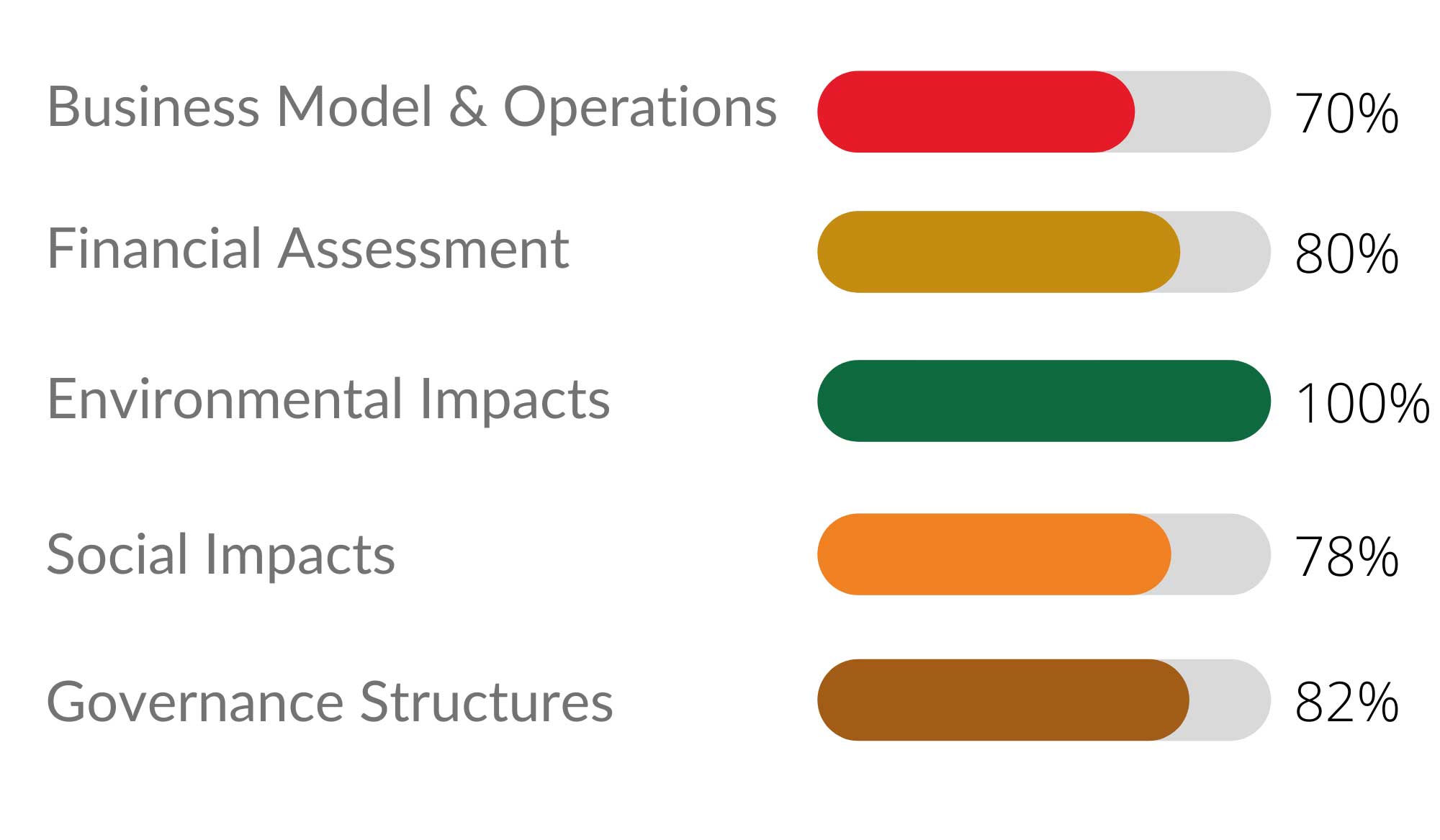
Investment Readiness

Environment & Social Impact

• Ecotourism Development
• Job Creation
• Skills Development
• SMME Development
• Expansion of Protected Areas 

SDGs

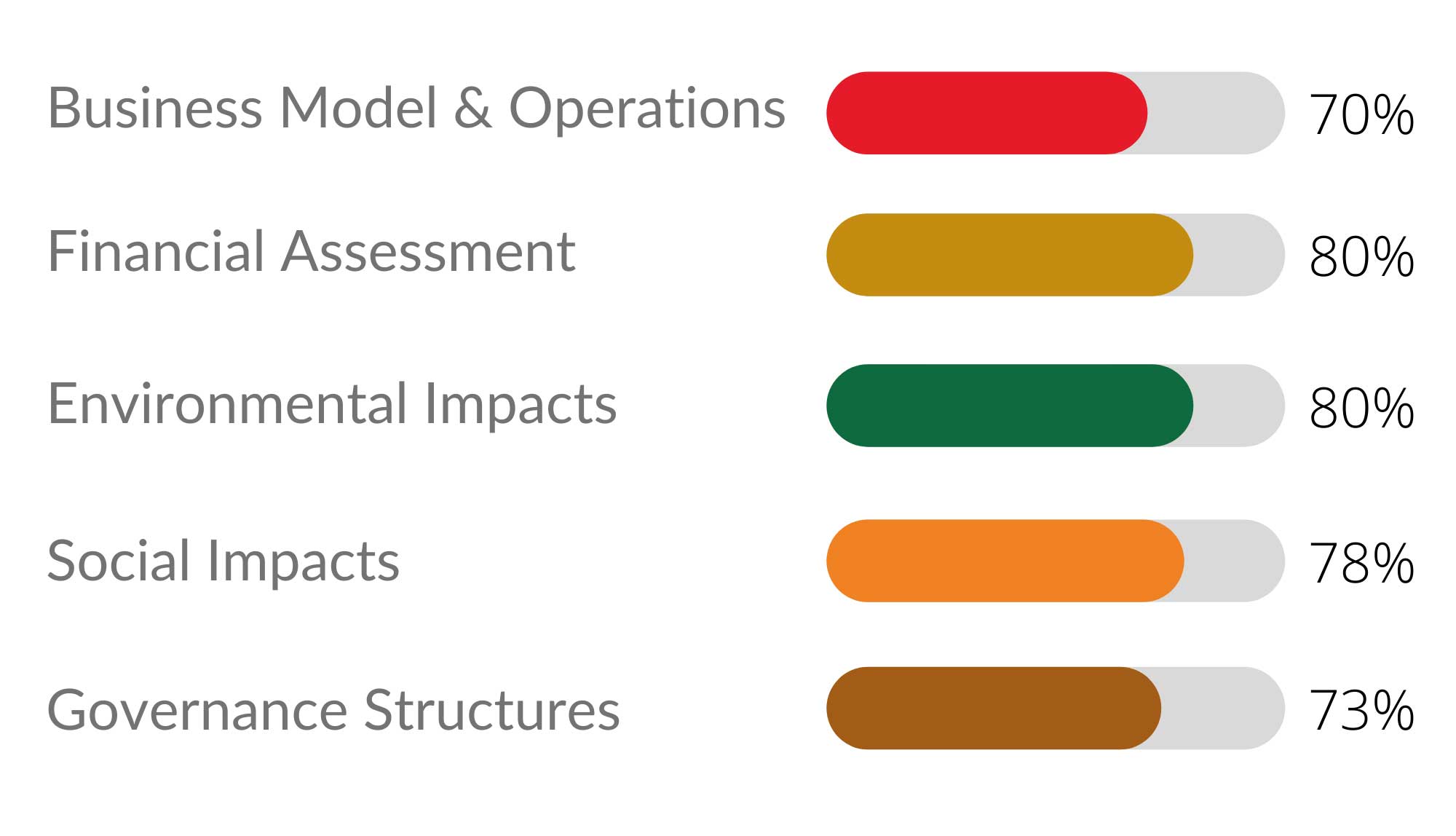
Investment Opportunity Assessment


Land Ownership and Governance

Land Ownership

Fully Restituted land with title deeds
The land is owned by the Selwane Communal Property Association.


Governance Structure

Community Property Association
Joint Venture Partnership

The Joint Venture partnership between the CPA and SIABIX forms Selwane Game Reserve.
The Joint Venture company is 51% CPA-owned and the investor owns 49%.  The business is under Board management.

Land Size

8400 Hectares

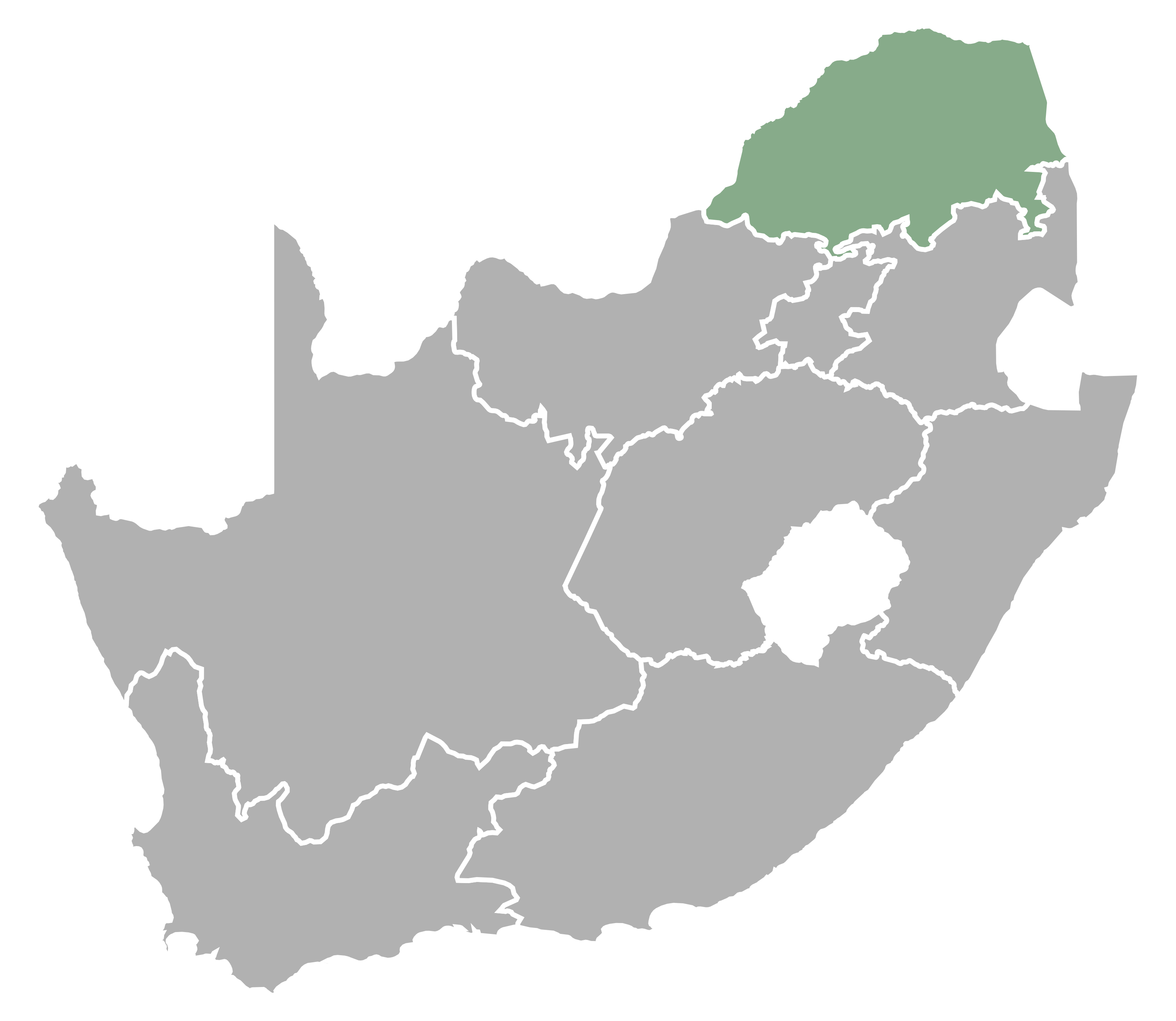
Location

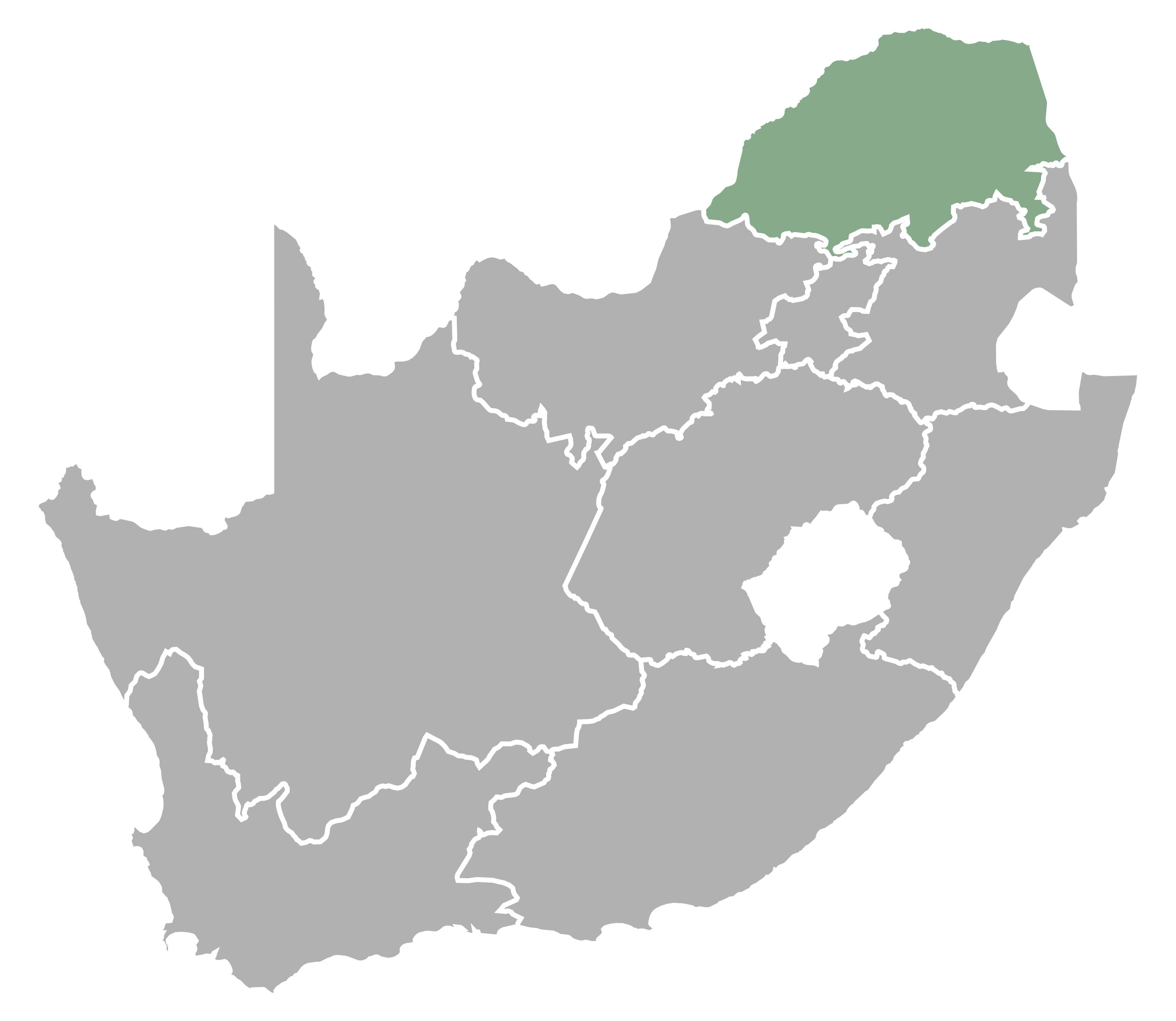
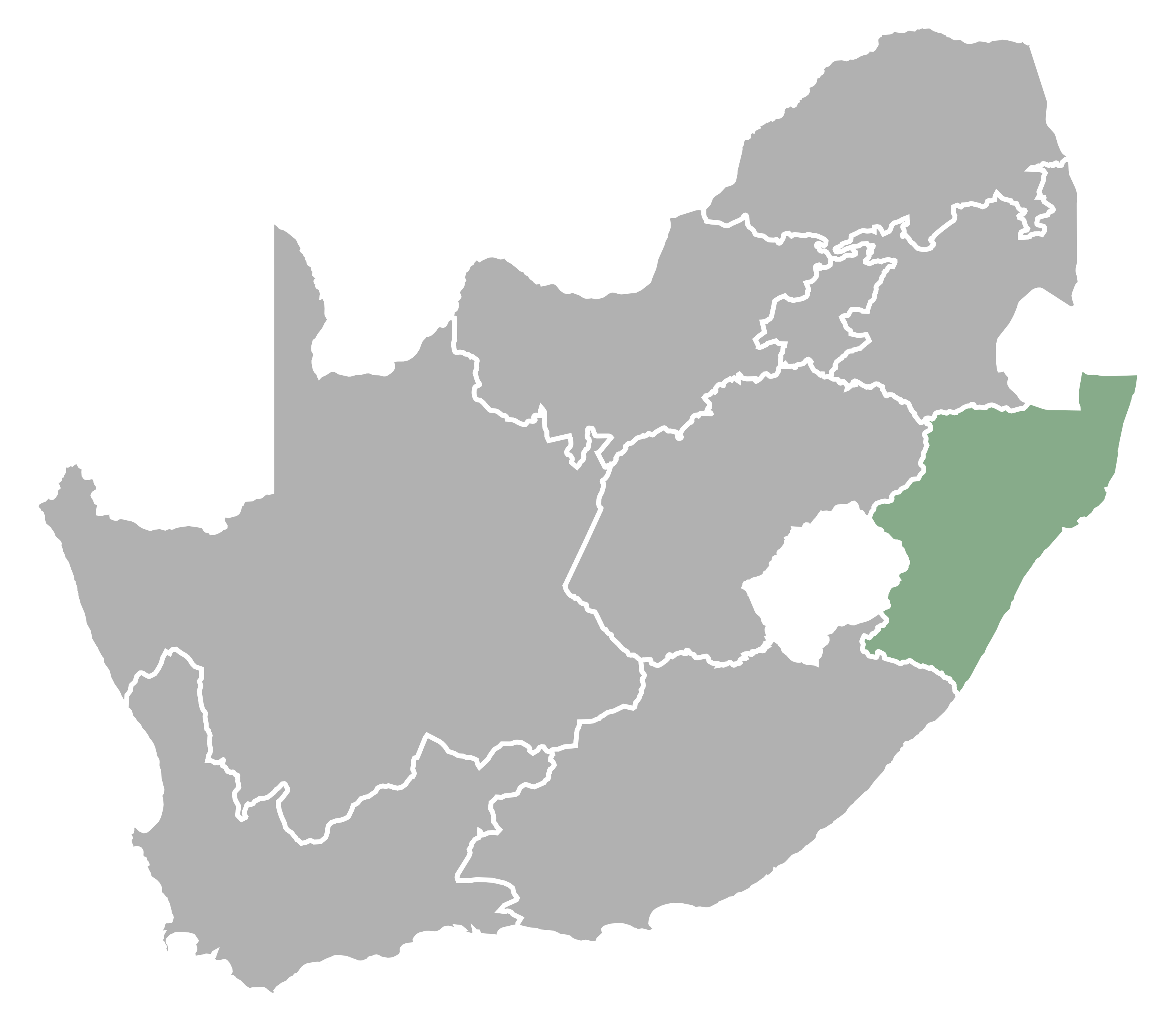
Limpopo

Investment Opportunity Assessment

Wildlife Economy


Core Operations

  • Ranching and related value chain
  • Hunting and hunting value chain
  • Safari and ecotourism value chain
  • Game meat value chain


Activities

Trophy hunting is a major business activity attracting high-end international and local hunters.
The game farm offers a wide range of wildlife species.
Game meat including processing, packaging and distribution to domestic and export markets.


Ecotourism


Core Operations

  • Accommodation
  • Ecotourism activities
  • Cultural and traditional activities


Activities

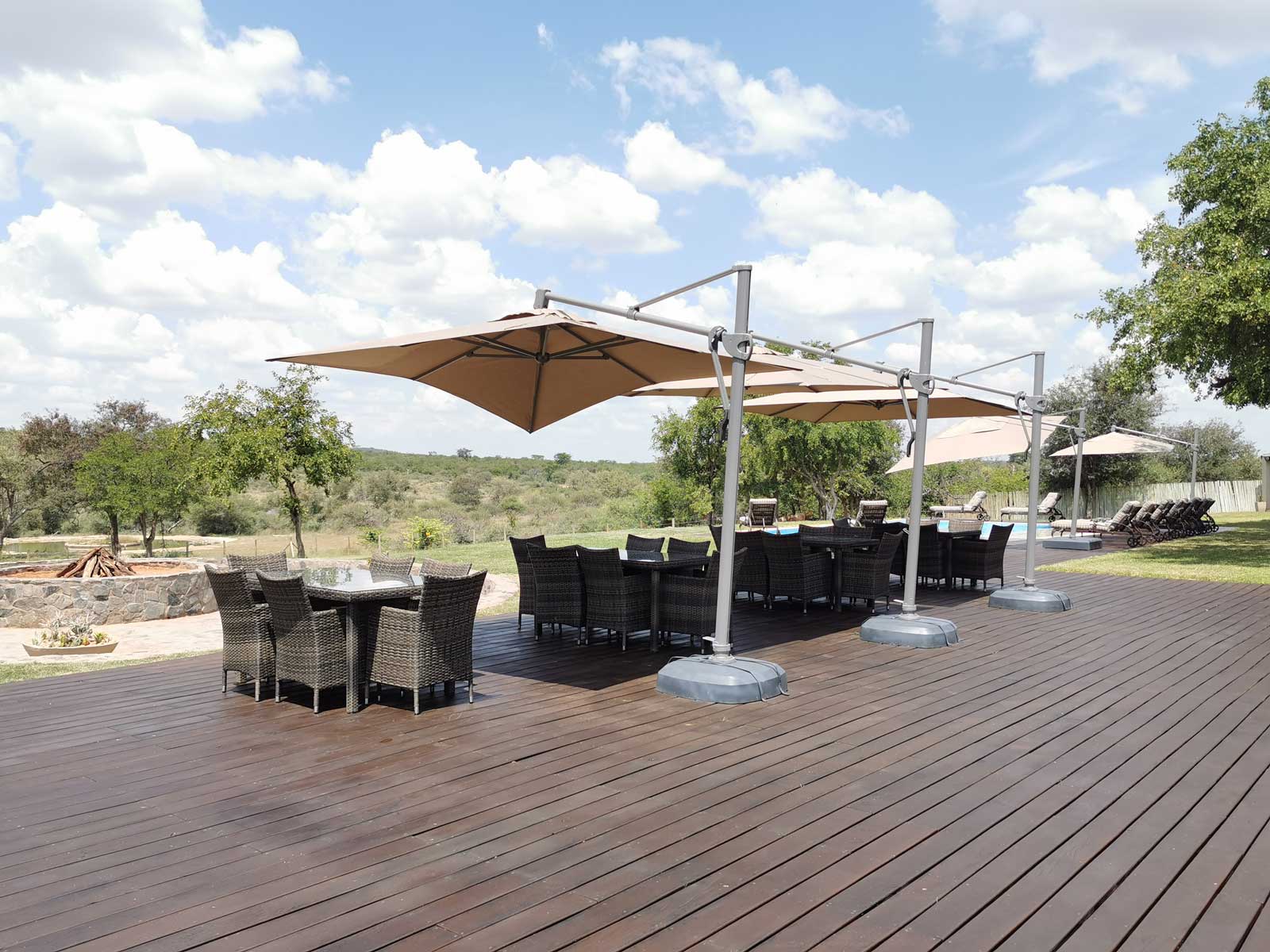
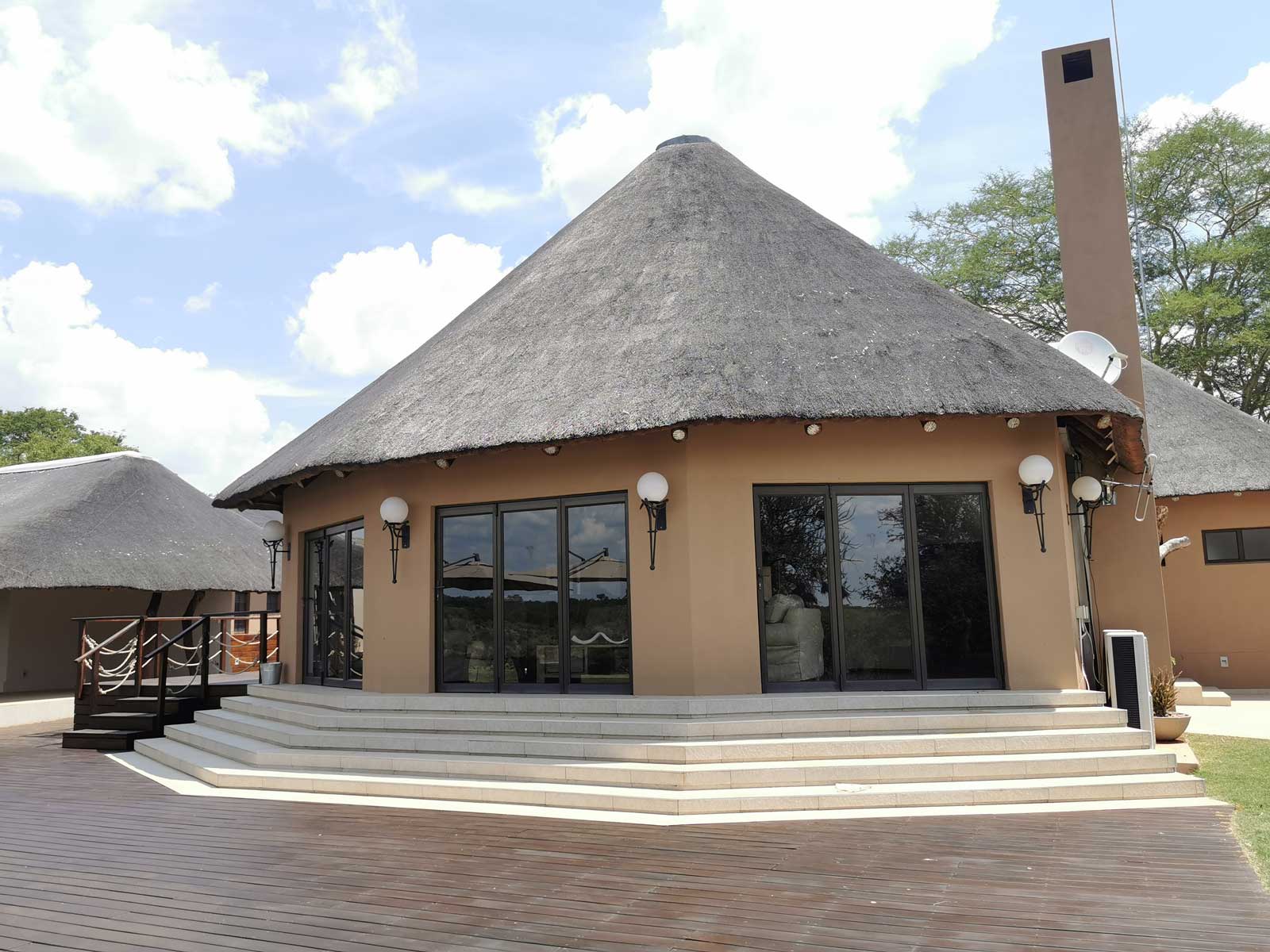
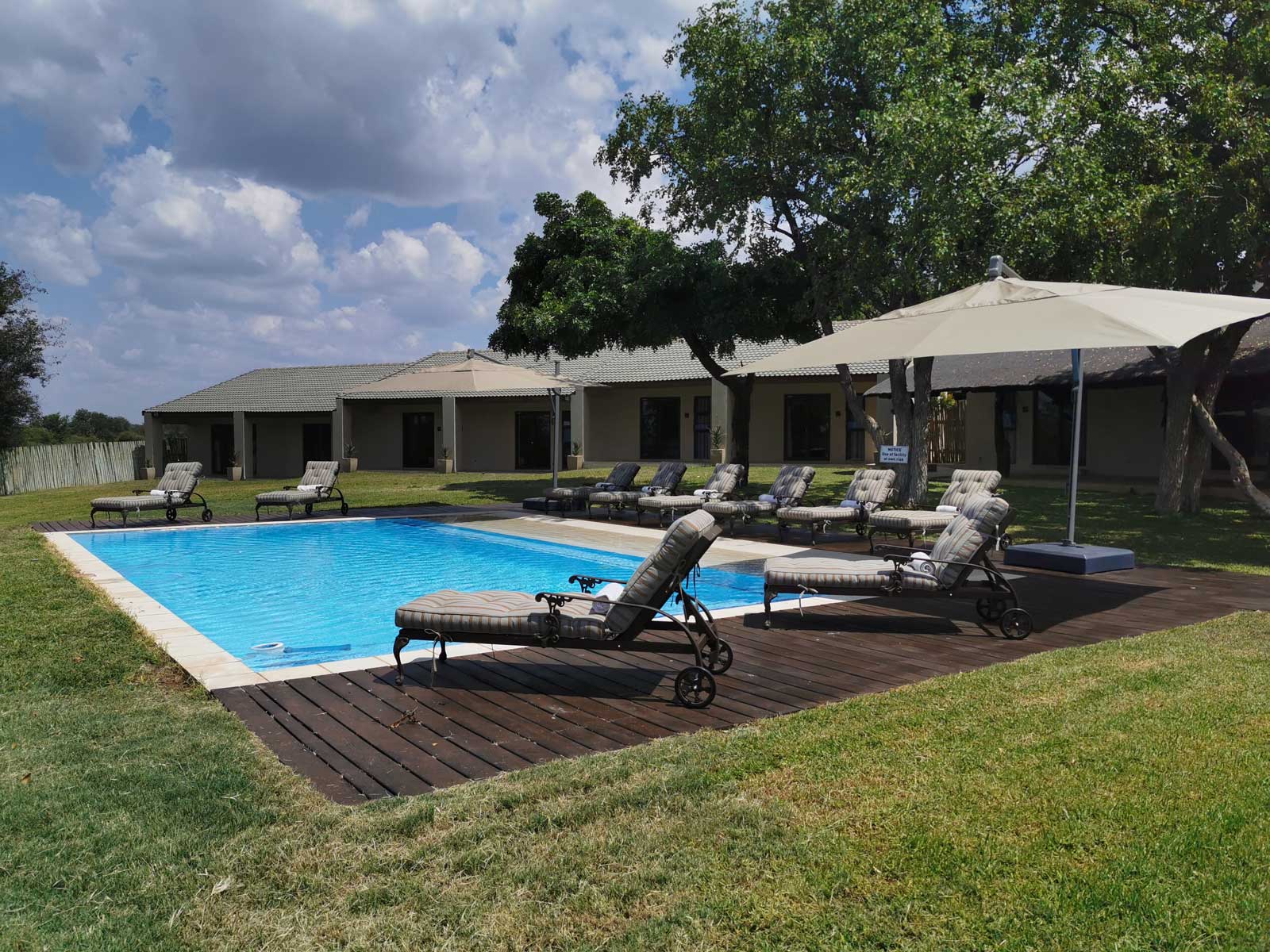
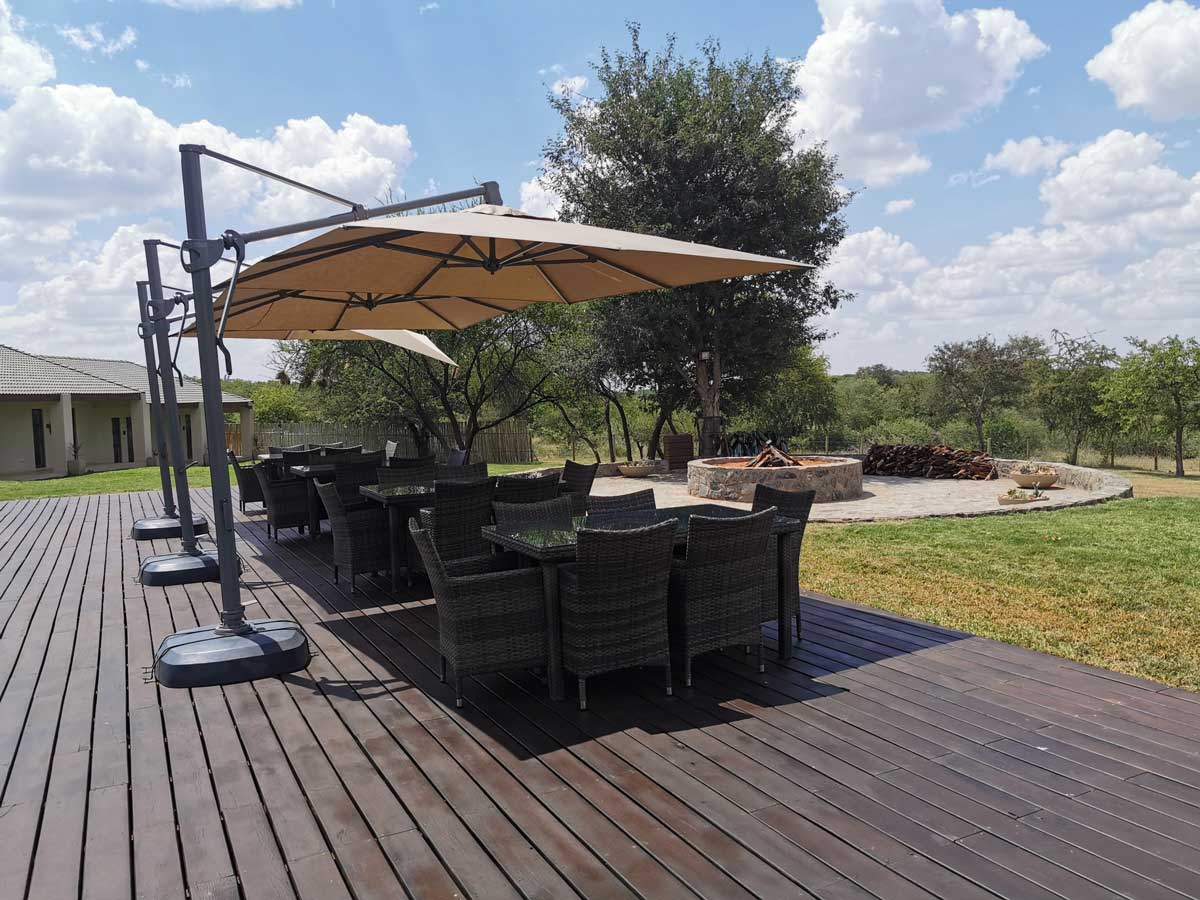
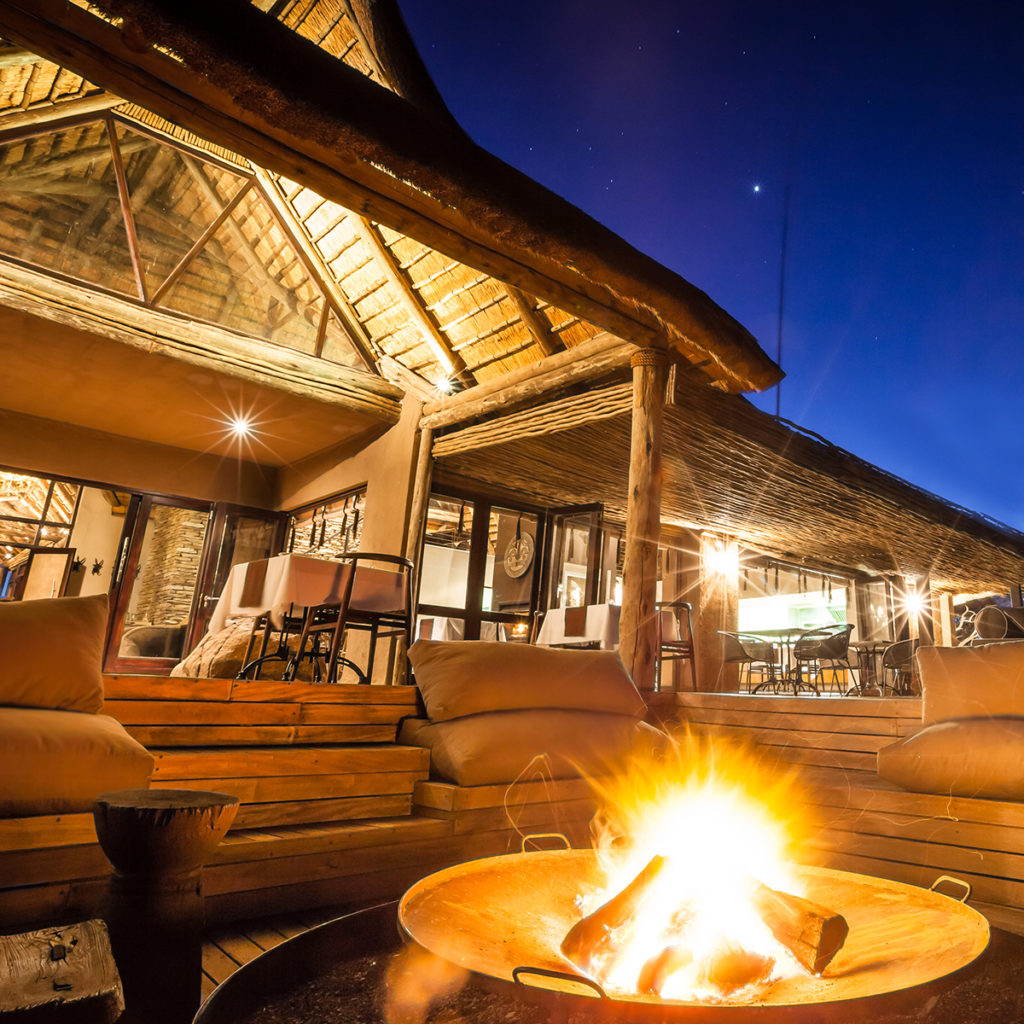
Magwena River Lodge is a luxury lodge with 16 beds, camping and catering services.


Investment Opportunities


  • Construct and develop a multi-purpose traditional conference centre and an Ecotourism activity hub with supporting facilities
  • Bush encroachment eradication
  • Expand and upgrading Magwena River Lodge to 32 beds
  • Expand wildlife ranching and hunting by increasing game stocks
  • Build Infrastructure ventures focused on fire protection, anti-poaching and invasive alien plant eradication  
  • Local training, skills development and capacity building


Investment Requirements


Investment Range Required
R20 million - R50 million

Type of Investment Required
Capital Expenditure
Infrastructure Funding
Working Capital

Funding Type for Financial Requirements
Equity, Debt, Grant

Non-Financial Requirements
Technical services
Capacity building

Value Proposition and Enablers


Value Proposition

  • The site enjoys Biodiversity Stewardship status
  • Community-owned land with no legal disputes     
  • The site is located close to the Kruger National Park
  • The sheer vastness of rich and secure farmland endowed with rich natural resources    
  • The Joint Venture partner is a strong investor with demonstrated capacity to inject capital
  • The Joint Venture has successfully established a high-quality accommodation facility
  • The surrounding mines are a captive market for the accommodation
  • Game meat processing potential given the growing game inventory and ongoing breeding plans
  • Growing customer base within 'package tourism' network


Key  Enablers

  • Building a robust website for Magwena River Lodge will strengthen its digital visibility, and enhance the site’s ability to share the powerful stories from the Selwane community, and attract business
  • Constructing a multi-purpose Traditional Conference Centre with the capacity to host public sector and private events, workshops and conferences to leverage the accommodation facilities offered by the existing lodge
  • Expand and upgrade Magwena River Lodge to 32 beds
  • Build Infrastructure to support site development objectives, including fencing, electrification, access-road upgrades, staff accommodation, solar power and water reticulation

Business Operations

Ecotourism

Wildlife Economy

Primary Customers


High-end international & middle range hunters & tourists for the existing Magwena River Lodge.

Active Business Entities


The Joint Venture partnership between the CPA and SIABIX forms Joint Venture company Selwane Nature Reserve and drives the business under the leadership of a Board. The nine-member CPA Board controls the majority of seats on the Board and the Management team.

About this Opportunity


Selwane Game Reserve comprises 4 100 ha of land and Magwena River Lodge are located in close proximity to the popular Kruger National Park.

Selwane is a critical Biodiversity Conservation Area with vast wildlife and a temperate savanna climate with unique bird and plant life.

The Restitution of Land Rights Act which was promulgated in 1994 activated the first land claim which was lodged by the Selwane tribe during 1996 and the farms Kondowe 36 and Waterbok were successfully transferred and are now being administered by the Selwane Communal Property Association. Kondowe is currently a game farm development and Waterbok is a community irrigation development project.

After reclaiming the land, the community decided to venture into eco-tourism and approached various stakeholders to assist as the community did not have the finances and knowledge to drive it.

The community partnered with SIABIX, a private investment company with various interests in the abattoir and meat industry to develop and operate Selwane Nature Reserve and Magwena River Lodge, based on a shareholders’ agreement in terms of which the strategic partner holds 49% and the CPA owns the balance. Three of the CPA members are directors in the operating company.

In the future Selwane aims to:

  • Add a conference centre to host corporate events.
  • Add over 2000 ha in additional farms. This additional land would be used to develop a conservancy for rhinos and other game.
  • Introduce cattle ranching as a strategic priority for the site.
  • To purchase additional game to increase the attractiveness to potential tourists. The target is to acquire: 15 Buffalo, 13 Zebra, 50 Impala, 28 Springboks and 25 Elands. Elephants will not be pursued due to a lack of land.


Gallery

Somkhanda Community Game Reserve

Submitted by mahesh_admin on July 13, 2023

Goal

The short-term goal is to create a full game offering, upgrade the tourism facilities and train community members to manage all aspects of the reserve.

Investment Range / ROI

R20 Million - R50 Million
ROI - 15% pa

Public or Private Sector

This is a Private Sector Opportunity

Investment Readiness
Environment & Social Impact

• Ecotourism Development
• Job Creation
• Skills Development
• SMME Development
• Expansion of Protected Areas 

SDGs

Investment Opportunity at a Glance


Land Ownership and Governance

Land Ownership

Fully Restituted land with title deeds

26,000 Ha of game reserve land, owned 100% by the Gumbi Community (ECT) of which 11600 claimed as protective areas.


Governance Structure

Community Property Association.

Joint Venture partnership. The reserve is co-managed by a joint management board established in 2016 between Wildlands and the Emvokweni Community Trust.

Land Size

26000 Hectares

Location

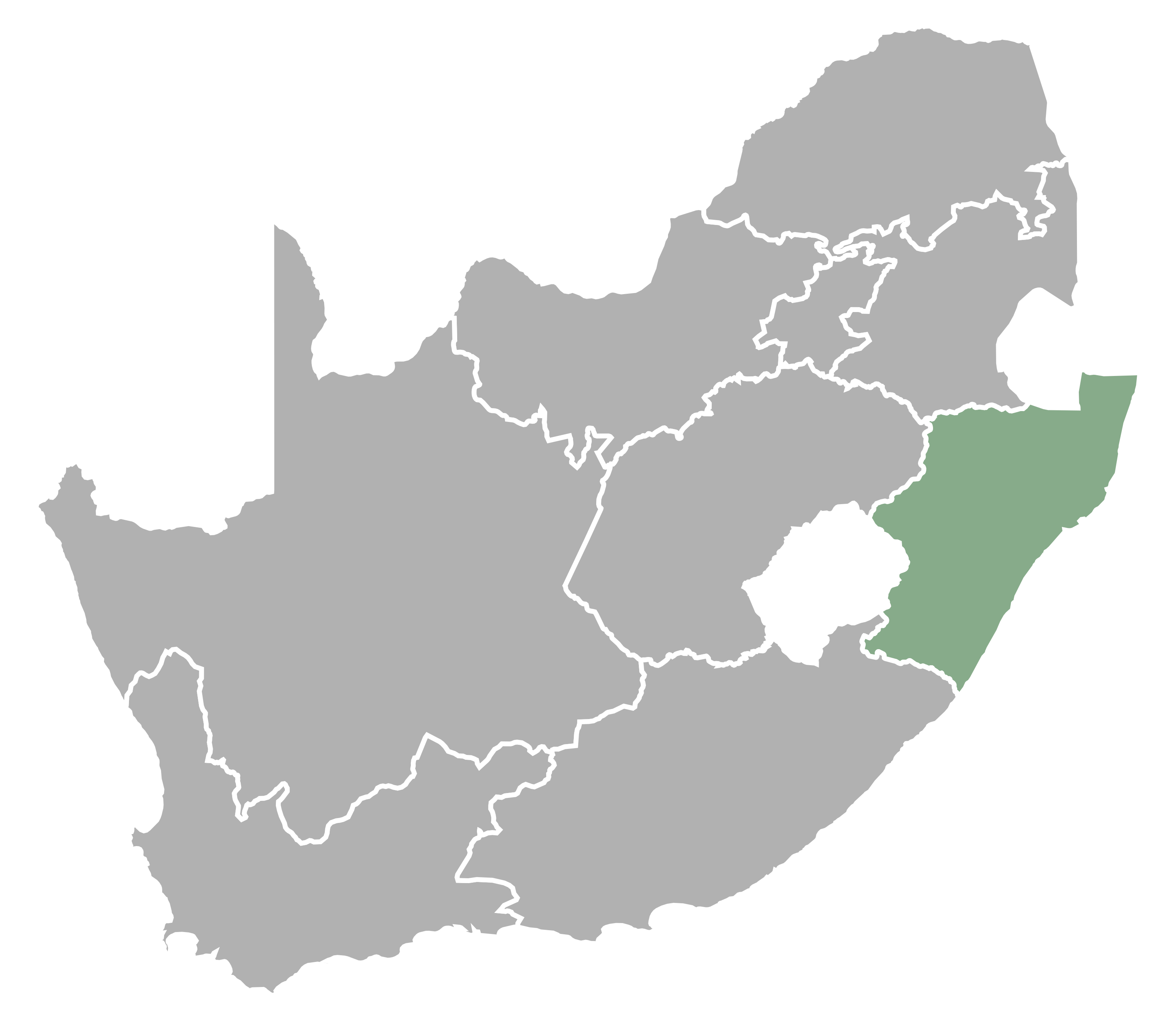
KwaZulu-Natal

Investment Opportunity Assessment

Wildlife Economy


Core Operations

  • Hunting and hunting value chain
  • Ranching and related value chain
  • Safari and eco-tourism value chain
  • Game meat value chain


Activities

Big 5 Game Reserve used for Game safaris and hunting activities.
Unprocessed game meat is sold at farm gate.


Ecotourism


Core Operations

  • Accommodation
  • Activities
  • Safaris


Activities

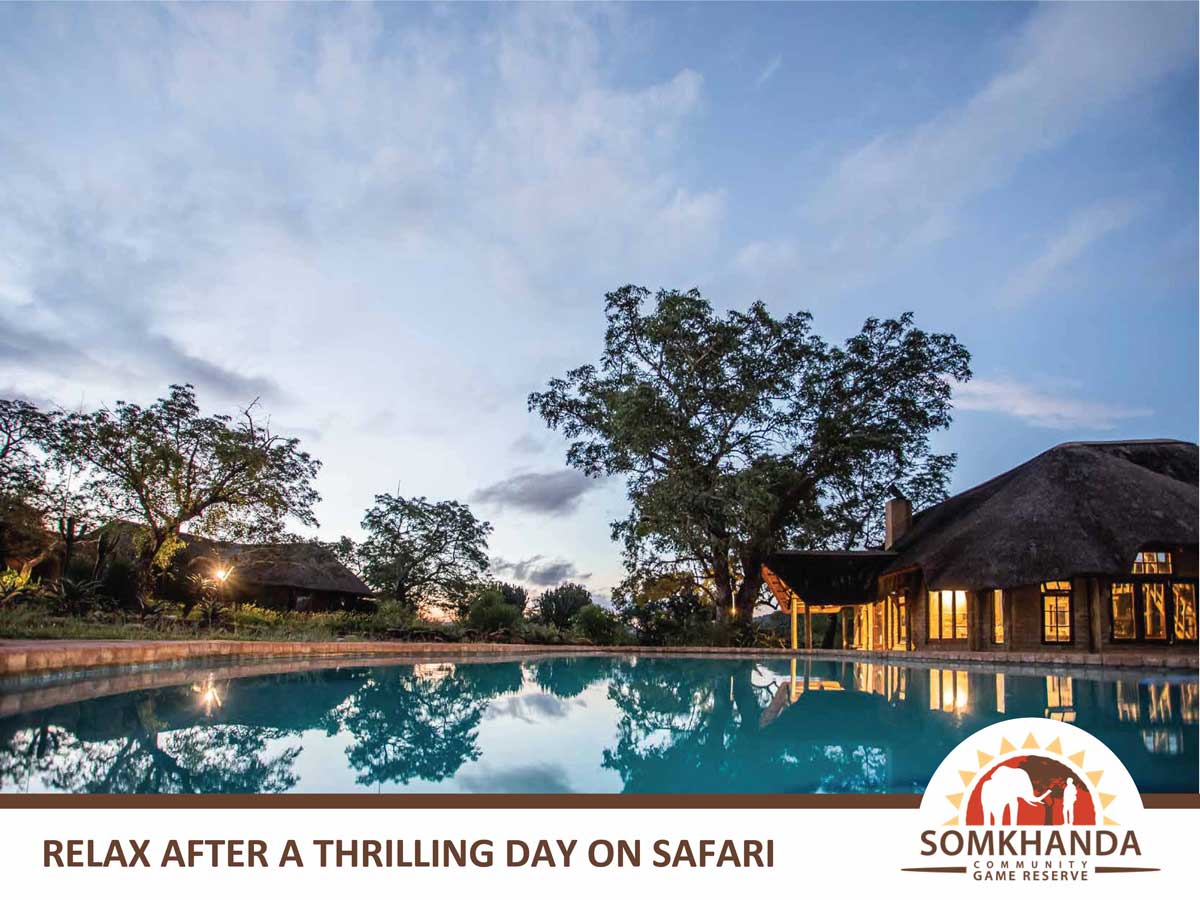
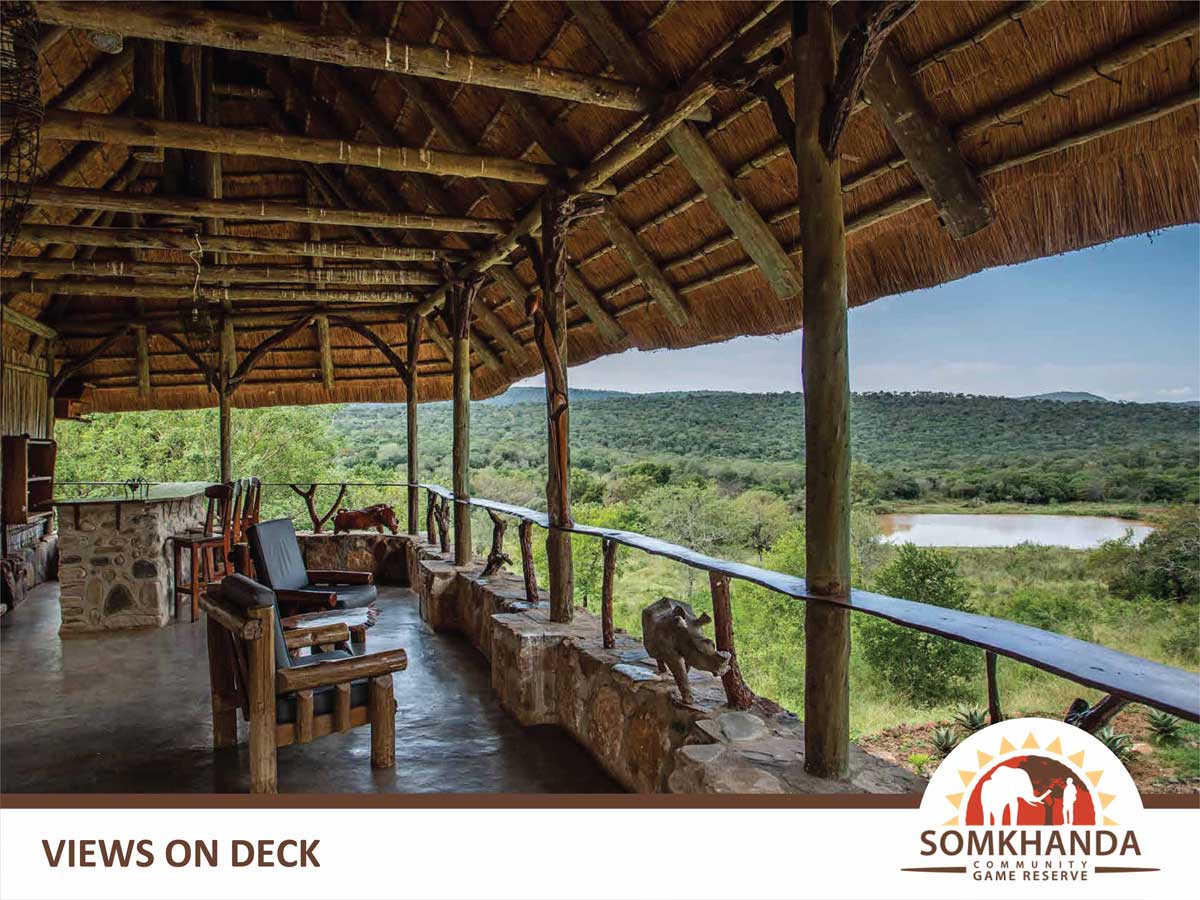
The Site operational 6-unit lodge facilities with 12 beds, and camping facilities.
Birding, walking trails, and hiking are available.


Investment Opportunities


  • Ecotourism activity hub and supporting facilities
  • Develop Gumbi culture homestays and handcraft centre in the hub
  • Expand Lodge and build a luxury camp with spa
  • Improve game ranch infrastructure
  • Build throughput abattoir for game meat
  • Purchase of Safari vehicles
  • Develop Bio trade and Agrotourism
  • Improve site Infrastructure
  • Training, skills development and capacity building

Investment Requirements


Investment Range Required
R20 million - R50 million

Type of Investment Required
Capital Expenditure
Infrastructure Funding
Working Capital

Funding Type for Financial Requirements
Equity, Debt, Grant

Non-Financial Requirements
Technical services
Capacity building

Value Proposition and Enablers


Value Proposition

  • The sheer vastness of rich and secure farmland endowed with rich natural resources
  • The land is owned  by Community with no legal disputes     
  • The site has Biodiversity Stewardship status 
  • Site is a declared Protected Area
  • The site has been managed by Wildlands Conservation Trust  (NGO Partner) since 2013
  • High-end hunting and safari offering
  • Active client base & commercial activity


Key  Enablers

  • Operational 12-bed lodge, game fence and water
  • Protected Biodiversity Stewardship Site
  • Community-owned land with board representation and 52 jobs created to date

Business Operations

Wildlife Economy

Ecotourism

Primary Customers


  • Regional and local hunters for hunting safaris
  • Mid-range tourism at 12-bed lodge and campsite
  • Unprocessed game meat is currently sold at the farm-gate to community

Active Business Entities


Emvokweni Community Trust & Wildlands Conservation

About this Opportunity


The site is a BIG-5 game reserve offering a wide range of wildlife species (including, elephants, rhino, lions, leopards, buffalo, eland, kudu, gemsbok, waterbuck, wildebeest, impala and wild dog). Trophy and Biltong hunting are the major business activity, with the hunters also patronising accommodation and hospitality services offered through the 12-bed lodge and camping facility. Birding, walking trails, and hiking are also popular.

The Site has endangered species such as the wild dog, under a special protection program, with considerable investment being made into game stocking and fencing over the years and more game donations are still being canvassed.

At least 10% of all tourism revenue from the reserve, is transferred to the Gumbi community of approximately 20,000 people through the ECT, which allocates the funds for schools, creches,

clinics, cattle dipping programmes, and small-business opportunities.

The reserve currently employs 52 people from the community, all on short-term contracts, for such activities as alien bush clearing, are taken up by the community. The Department of Forestry, Fisheries and Environment also funds salaries of game guards through its Environmental Monitors Programme.Unprocessed game meat is currently sold at the farm-gate, at significantly lower unit prices than the retail market prices for processed and packaged game meat. Great potential for revenue growth and community development lies in the development of a through-put abattoir with distribution linkages at the retail end.

An old butchery with cold room facilities requiring upgrade and restoration exists at the site and can potentially be converted into a game meat processing plant with dual capacity to process both game meat and beef (and perhaps other commercial livestock), in order to optimise capacity utilisation.

Taxidermy, tanning and crafting of leather products are natural offshoot businesses that have been considered.

Gallery

Tshivhula Game Farm

Submitted by mahesh_admin on July 12, 2023

Goal

To build and develop a cultural village with complementary community business enterprises including training and accrediting villagers under the Homestay business programme.

Investment Range / ROI

R20 Million - R50 Million
ROI - 15% pa

Public or Private Sector

This is a Private Sector Opportunity

Investment Readiness

Environment & Social Impact

• Ecotourism Development
• Job Creation
• Skills Development
• SMME Development
• Socio-economic Development
• Expansion of Protected Areas
• Net Biodiversity Gains 

SDGs

Investment Opportunity at a Glance


Land Ownership and Governance

Land Ownership

Fully Restituted land with title deeds
A successful land restitution process has resulted in the legal transfer of 14,200 hectares of land to the TSHIVHULA Communal Property Association, with fully registered Title Deeds.


Governance Structure

Community Property Association
Joint Venture partnership between the CPA and BONO Holdings creates Alldays Development (Pty) Ltd, which drives the business under Board Leadership.

Land Size

14200 Hectares

Location

Limpopo

Investment Opportunity Assessment

Wildlife Economy


Core Operations

  • Hunting and hunting value chain
  • Safari and eco-tourism value chain
  • Game meat value chain


Activities

Trophy hunting is available on Ammondale Farm - part or all of the hunted animal can be kept as a hunting trophy.
Driven hunting, popular with foreign hunters is available on Braam, Ammondale & Montagu farms.
Biltong hunting is available  on Lauriston fame - primarily local hunters.

Bioprospecting


Core Operations

  • Harvesting


Activities

Mopani worms are harvested when in season.

Ecotourism


Core Operations

  • Accommodation
  • Safaris


Activities

Ndou Safaris and Baobab Lodge are high-end luxury lodges targeting international and local hunting customers and other tourists. Klipspringer Lodge is a budget facility targeting local tourism and business visitors connected to the mining industry in the area.
A catering service is available for guests.
Camping and game drives are available to guests.


Investment Opportunities


  • Build and develop a Conference centre and Cultural Village Ecotourism activity hub with supporting facilities
  • Develop Vhatwanamba culture homestays and handcraft centre in the hub
  • Improve game ranch infrastructure
  • Build throughput abattoir for game meat
  • Design and Construct a commercial bio industrial facility
  • Invasive alien clearing & beneficiation
  • Improve site infrastructure
  • Training, skills development and capacity building


Investment Requirements


Investment Range Required
R20 million - R50 million

Type of Investment Required
Capital Expenditure
Infrastructure Funding
Working Capital

Funding Type for Financial Requirements
Equity, Debt, Grant

Non-Financial Requirements
Technical services
Capacity building

Value Proposition and Enablers


Value Proposition

  • Site has Biodiversity Stewardship status
  • The site had rich and secure farmland endowed with natural resources
  • The land is community-owned, with no land-related legal disputes
  • Clear corporate governance and legal structures
  • The four farms are in various stages of being declared as Protected Areas
  • The Joint Venture partner is a strong investor with demonstrated capacity to inject capital
  • The site has developed a unique group-hunting product designed for hunters from Europe
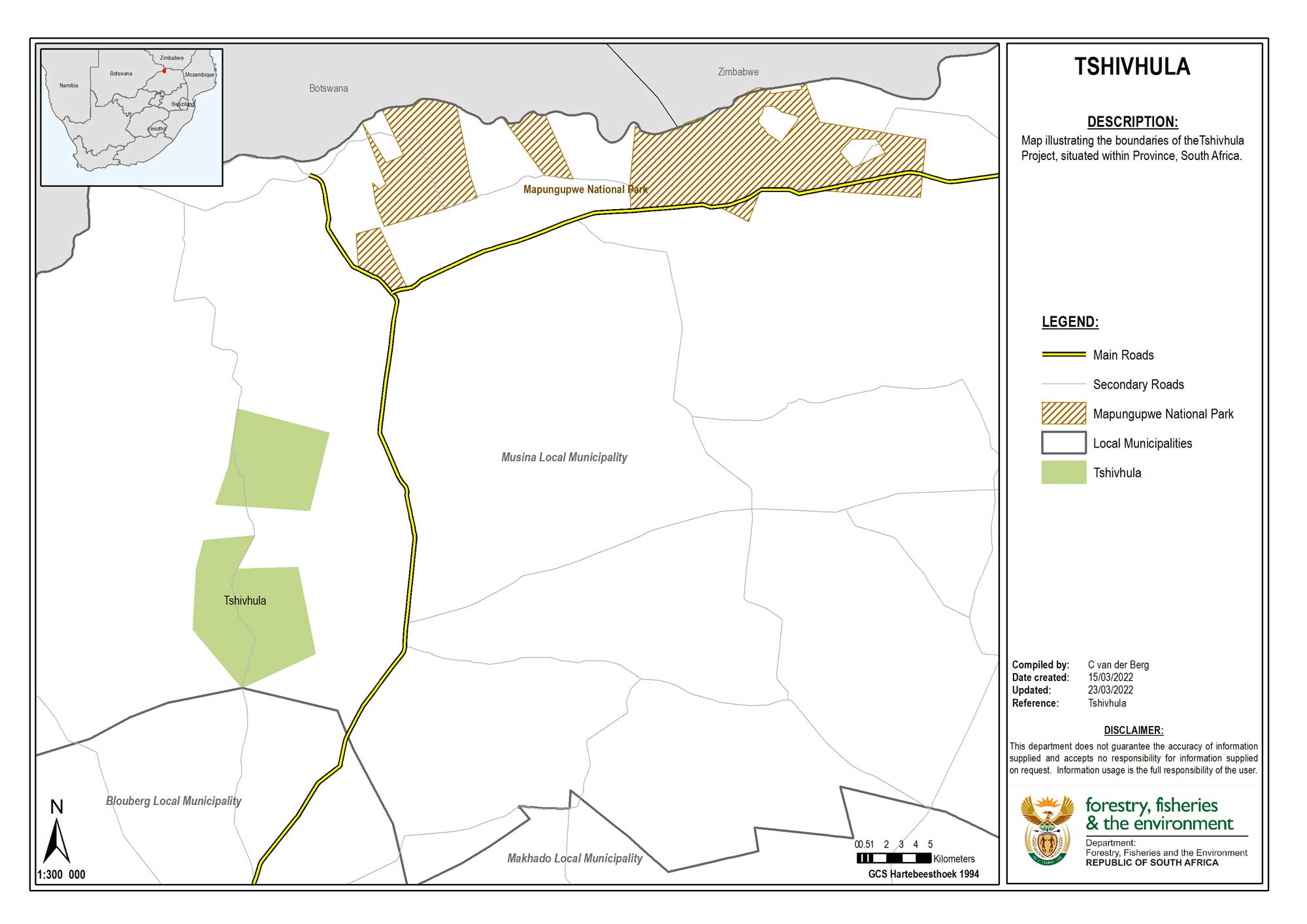
  • Proximity to the well-known Mapungubwe World Heritage site
  • Surrounding mines are a captive market for the 3 and 4-star accommodation product
  • The 5-star facility is made available to high-end hunting clientele


Key  Enablers

  • Strong customer network (SA & Europe)
  • Three quality lodges with high occupancy
  • Certification system

Business Operations

Wildlife Economy

Ecotourism

Bioprospecting

Primary Customers


High end and mid-range tourism at three lodges.
The surrounding mines are a captive market for 3 and 4-star accommodation products and the 5-star facility is made available to high-end international hunting clientele.

Active Business Entities


Community Property Association.
Joint Venture partnership between the CPA and BONO Holdings creates Alldays Development (Pty) Ltd, which drives the business under Board Leadership.

About this Opportunity


In 1998, the TSHIVHULA community embarked on a journey towards restitution of lost land - a process that has begun to yield results. To date, land in excess of 20,000 hectares has been restored to the people of Tshivhula, and is owned through a Communal Property Association. With the support of our partners, the transformation journey our people have embarked on will impact the socio-economic standing of the Tshivhula community and protect the natural resources.

A new bioprospecting industry in the northern province of Limpopo is emerging. Actors have focused on systematic modification of traditional uses of commonly available natural resources (such as Bulbine, Aloe Vera, the Marula fruit, bee products, and Mopani worms), for commercial or industrial value. Tshivhula will establish a bio-industrial facility located near the proposed Cultural Village to produce, trade and export indigenous products, such as medicines, industrial enzymes, food flavours, fragrances, cosmetics, colours, extracts and essential oils.  

Gallery

Video

Nambiti Private Game Reserve

Submitted by mahesh_admin on June 16, 2023
Biodiversity Stewardship Ecotourism Protected Areas Wildlife Economy

Areas of Operation


Wildlife Economy

Ecotourism

Biodiversity Stewardship

Protected Areas

Engagement with the KZN Biodiversity Stewardship Programme began in late 2009 and the site was assessed in 2010. It qualified to be proclaimed as a nature reserve, the highest level of protection available in the stewardship programme.

The Senzo’kuhle Nkos’uNodada Communal Trust and its beneficiaries benefit from Nambiti Private Game Reserve in several ways, including:

  • Through payment of the lease fee by Nambiti Private Game Reserve (Pty) Ltd.
  • Ownership and operation of Springbok Lodge and another undeveloped lodge site.
  • Sharing in the profits earned by the operation of the reserve – i.e. hunting, live off-takes and sales of venison.
  • Preferential employment within the reserve.

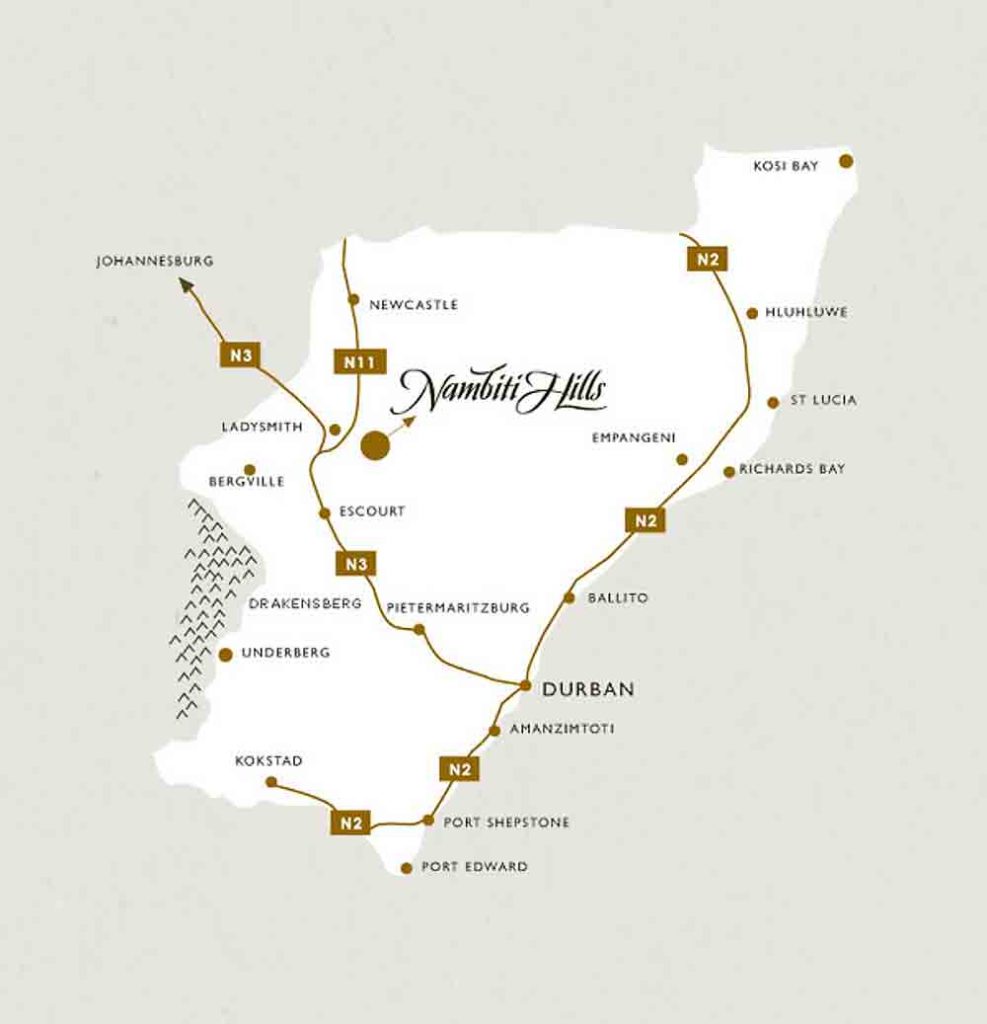
Nambiti Private Game Reserve is of significant biodiversity and ecological value, which led to it qualifying to be proclaimed as a nature reserve in terms of the KZN Biodiversity Stewardship Programme. Because of this, it contributes to several important targets for biodiversity conservation in KwaZulu-Natal and South Africa. Nambiti Private Game Reserve is a 9 859 hectare Big 5 reserve in Kwa-Zulu Natal. The reserve was established in 2000 by a group of businessmen led by Rob Le Sueur, on old cattle and maize farms that were combined to form a property extending over 8 000 hectares. Following this, more farms were purchased, bringing the reserve to its current size. Subsequently, the reserve was subject to a successful land claim and is now owned by the Senzo’kuhle Nkos’uNodada Communal Trust.  

In April 2009, a successful management lease was established between the land claimants and the previous landowners. The lease is a 35-year lease with an option to renew for a further 35 years.

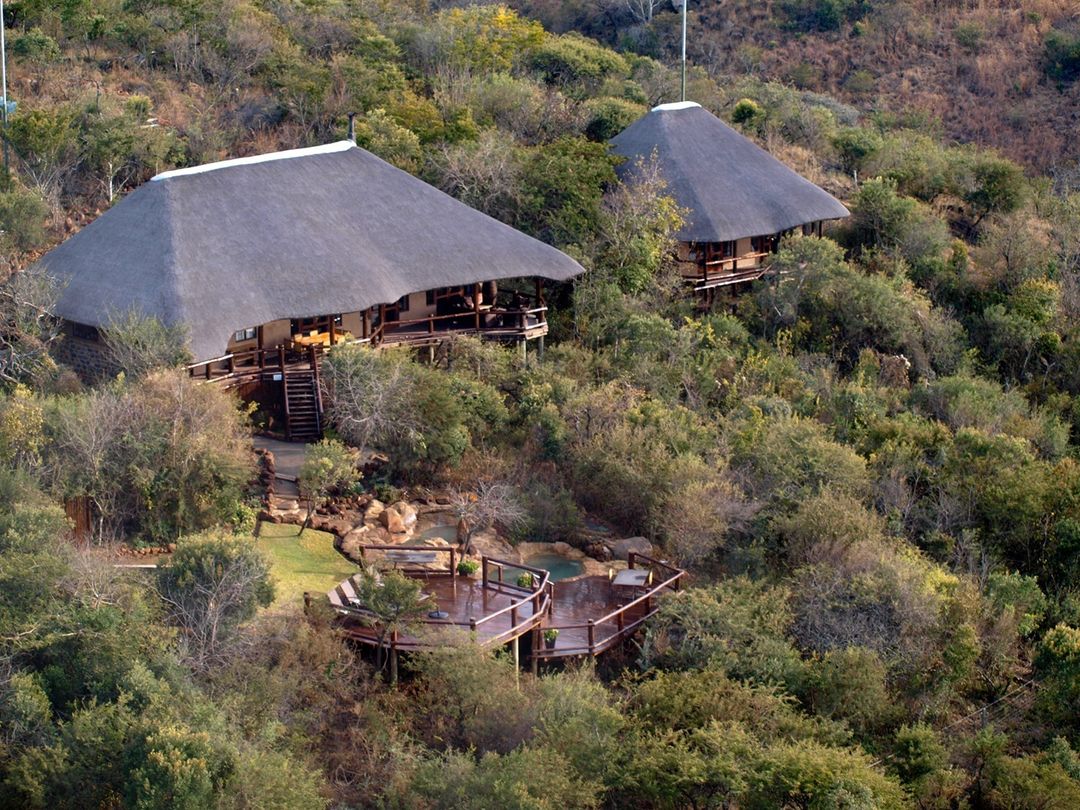
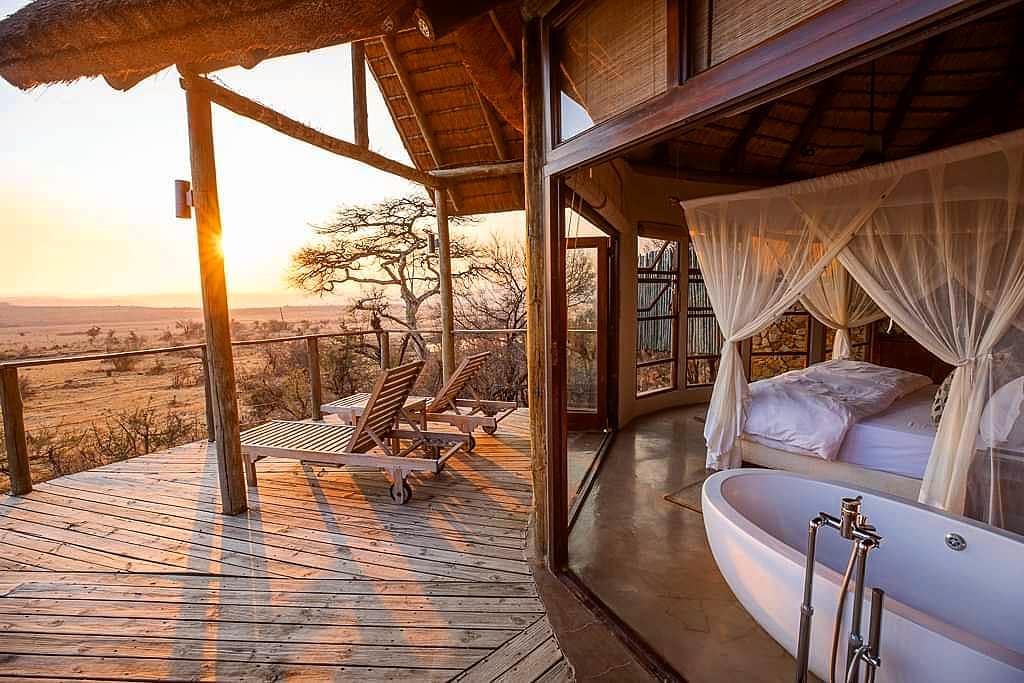
Operations at Nambiti Private Game Reserve are multi-faceted, combining 10 luxury game lodges catering to local and international tourists, limited hunting, live capture, and sale of game and more recently, the production of venison from a recently constructed abattoir and butchery. Nambiti Private Game Reserve has been proclaimed as a nature reserve, through the KZN Biodiversity Stewardship Programme, in terms of Section 23 of the National Environmental Management: Protected Areas Act (No.57 of 2003).

Nambiti Private Game Reserve is a successful wildlife ranching venture with significant biodiversity values. It provides an interesting model of cooperation between a local community and the private sector and is a significant regional employer. The project has resulted in the following achievements:

  • Contribution to biodiversity and protected area expansion targets through proclamation as a nature reserve, the protection of habitat that is under-represented in the protected area system and protection of several rare and threatened species.
  • A monthly turnover above R4 million has significant implications for the local and regional economies.
  • Employment of 54 people in reserve operation and management and over 170 people in the reserve’s lodges, meaning that over 220 people are employed at the reserve.
  • Revenue generation through live game sales and limited trophy hunting.
  • Sustainable production of game meat for commercial sale, including the provision of an important local source of affordable meat to the communities living around the reserve.

Nambiti Private Game Reserve demonstrates the value and sustainability of a well-run wildlife ranching venture that integrates biodiversity conservation with significant socio-economic value. The benefits of the reserve include job creation, economic development and improved food security in an area with substantial poor rural communities that suffer from high levels of unemployment and limited economic opportunities.

Article source - Greg Martindale

Gallery

Subscribe to Wildlife Economy